
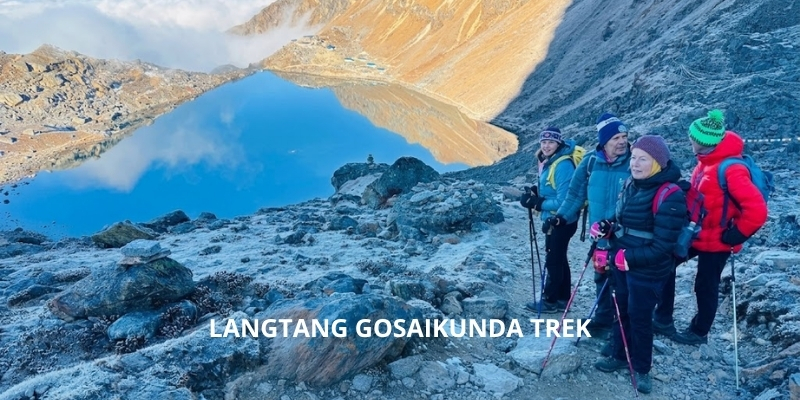

Understanding the Physiology of High Altitude
As you ascend above 3,000 meters in the Langtang and Ganesh ranges, atmospheric pressure drops, meaning each breath delivers significantly fewer oxygen molecules to your bloodstream. Acclimatization is the vital physiological adaptation where your body produces additional red blood cells to carry oxygen efficiently.
The Golden Rules of High Mountain Travel
First: ascend slowly. Never increase your sleeping altitude by more than 400 to 500 meters per night once above 3,000 meters. Second: climb high, sleep low. Daytime active acclimatization hikes to viewpoints like Kyanjin Ri prepare your body while allowing comfortable rest at basecamp.